
 By themediahives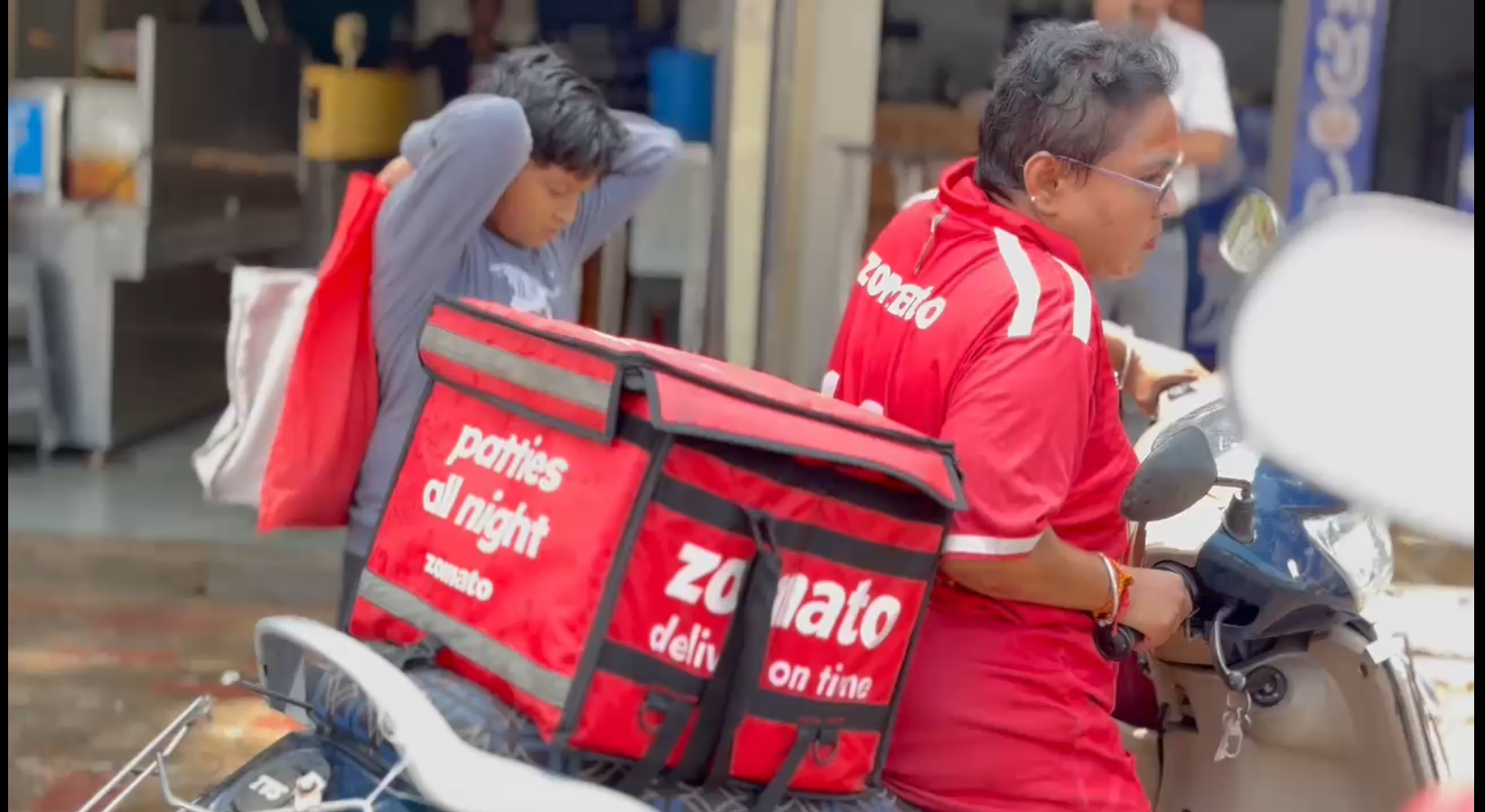
Byline: KHUSHI BUDDHARAXIT
Masters in Development Communication, Gujarat University
Introduction
Every academic project leaves behind some learning, but only a few experiences leave a permanent mark on one’s personality, thinking, and emotional depth. My documentary journey was one such experience that reshaped my understanding of society, gender roles, labour, and resilience. What initially began as a college assignment slowly evolved into one of the most meaningful journeys of my life. Through observation, interaction, struggle, and reflection, I discovered not only the unseen realities of working women but also unexplored strengths within myself. This article narrates my documentary journey as an academic, emotional, and transformative experience that bridged theory with lived reality.
Background and Purpose of the Documentary Journey
The documentary workshop officially began on July 24, when Kamlesh Udasi Sir introduced us to the concept, purpose, and language of documentary films. Until then, documentaries were merely a genre for me—something informative yet distant. However, his sessions helped me understand that documentaries are powerful tools of social documentation, representation, and truth-telling. They are not just films; they are voices.
This documentary was a part of my college academic project, but I wanted it to be more than a formal requirement. I wanted it to speak, to question, and to represent those whose stories are often overlooked. From the very beginning, I was deeply interested in working women, especially women engaged in physically demanding professions. In the modern era, we often say that no job is small or big, yet the dignity, safety, and recognition attached to different professions remain unequal. This contradiction became the core reason behind my documentary journey.
Planning, Preparation, and Expectations
Once I decided to create a documentary, the most crucial step was selecting the topic. I thought deeply about what mattered to me personally. I have always been interested in understanding women’s mental well-being, physical burden, professional pressure, and family responsibilities. Observing delivery girls—women delivering food, groceries, posts, and couriers—sparked something within me. These women move constantly, carrying physical weight and emotional responsibility, yet remain largely invisible.
I titled my documentary “Delivery: Carrying the Weight.” The title symbolized not only the physical load these women carry but also the emotional, social, and familial burdens they bear every day. Before stepping into the field, I conducted thorough research. I watched five to seven documentaries, short films, and videos related to labour, women, and gig economy work. Kapil Sharma’s film Zwigato significantly sharpened my understanding by portraying delivery workers’ struggles with sensitivity and realism. This preparation helped me approach my subject with empathy and responsibility rather than mere curiosity.
Description of the Journey and Key Experiences
My documentary journey unfolded on the streets, homes, and workplaces of women delivery workers. Initially, I approached five to six women. However, many of them were camera-shy or uncomfortable revealing their identity, which made me realize the fear and vulnerability attached to visibility. Eventually, three women agreed to share their stories openly.
Each woman represented a different reality. One was a delivery worker who chose to work during the rainy season because higher demand meant better earnings. Another was a college student who attended lectures during the day and delivered food through Zomato at night, all while managing household responsibilities. The third was a postwoman who delivered letters door-to-door, navigating both physical exhaustion and social interactions daily.
Their stories were not dramatic in a cinematic sense, but they were deeply powerful. Through their words, expressions, and silences, I witnessed courage that does not seek applause. These women worked proudly, driven by love for their families and a strong sense of responsibility.
Challenges and Real-Life Situations Faced
This journey was not easy—neither physically nor emotionally. During the shooting period, I suffered a crack in my leg and had to wear a plaster bandage. Despite this, I carried the camera myself and drove my Activa to different delivery locations. The pain was constant, and the physical strain was overwhelming, but giving up never crossed my mind.
Carrying a camera while driving was risky, so I sometimes used my friend’s iPhone for shooting. The documentary did not achieve HD-quality visuals, but it captured something far more important—truth. On one rainy day, while shooting a woman delivering food to earn extra income, my plaster bandage got wet. Yet, standing there, watching her work without complaint, my discomfort felt insignificant compared to her daily struggle.
These challenges helped me understand that documentary filmmaking is not just about technique; it is about commitment. Reality does not pause for convenience, and neither should a documentary filmmaker.
Social, Cultural, or Environmental Observations
I observed how customers’ behaviour varied. Sometimes, women delivery workers were treated with kindness and respect, but at other times, they faced bad looks, inappropriate behaviour, sexual harassment, and unrealistic delivery expectations. The pressure to deliver within ten minutes often ignored weather conditions, safety, and human limitations.
One of the most significant outcomes of my documentary journey was the deep social and cultural awareness it cultivated within me. While interacting closely with women working as delivery personnel and observing their daily routines, I began to recognize how deeply ingrained gender roles, social expectations, and environmental conditions shape their professional and personal lives. These observations were not theoretical concepts found in textbooks; they were lived realities unfolding in front of my camera and my conscience.
Socially, I observed that despite women participating actively in physically demanding professions, their labour often remains undervalued and unacknowledged. Delivery work is commonly associated with men, as reflected in everyday language such as “delivery boy,” “postman,” or “courier boy.” These terms may appear harmless, but they subtly reinforce the idea that such jobs naturally belong to men. When women perform the same work with equal dedication and efficiency, they are seen as exceptions rather than equals. Through my documentary, I realized how language itself becomes a tool of exclusion. I strongly felt that adopting gender-neutral terms like delivery person or post person could be a small but meaningful step toward social equality and recognition.
Culturally, the expectations placed upon women were striking. Many of the women I met were not only delivery workers but also homemakers. Some completed all household chores cooking, cleaning, and caregiving before stepping out for work. One woman shared how her professional responsibilities began only after fulfilling her domestic duties, highlighting the double burden women carry daily. This cultural expectation that women must manage both home and work without complaint reflects a deeply rooted patriarchal mindset. While society praises women for their “strength,” it rarely questions why such unequal expectations exist in the first place.
Another cultural dimension I observed was the conflicting attitude of society toward working women in public spaces. On one hand, women are celebrated for being independent and self-reliant; on the other hand, they are subjected to uncomfortable stares, inappropriate comments, and even sexual harassment. Some delivery women spoke about customers who treated them with kindness and respect, while others described experiences of being judged, rushed, or made to feel unsafe. The pressure to deliver orders within strict time limits often ignores the fact that these workers are human beings navigating traffic, weather, and personal safety risks.
Environmentally, the documentary journey exposed me to the harsh working conditions that delivery women face daily. Whether it was extreme heat, heavy rainfall, polluted roads, or congested traffic, these environmental challenges directly affected their physical health and emotional well-being. I personally experienced this while shooting during the rainy season. One woman chose to work specifically during the rains because the demand and therefore earnings were higher. Watching her ride through wet roads without hesitation made me reflect on how economic necessity often forces individuals to prioritize income over health and safety.
This environmental exposure also made me realize the lack of institutional support for delivery workers. Protective gear, medical facilities, and mental health support are rarely discussed when it comes to gig economy workers, especially women. The environment they work in is unpredictable and often unsafe, yet their contribution to society especially during times of crisis is immense.
Through these social, cultural, and environmental observations, I understood that the struggles of delivery women are not individual issues but systemic ones. They are shaped by societal attitudes, cultural norms, linguistic practices, and environmental neglect. This realization transformed my documentary from a simple project into a form of social documentation. It encouraged me to question normalized inequalities and reflect on my own role as a responsible observer and storyteller.
Ultimately, this journey taught me that documentaries have the power to reveal hidden realities. By observing closely and reflecting honestly, I was able to understand how women delivery workers navigate a world that both depends on them and overlooks them. These observations not only enriched my academic understanding but also deepened my empathy and sense of social responsibility.
Environmentally, the journey exposed me to the harsh realities of working outdoors rain, heat, traffic, and pollution. These women navigate such conditions daily, often without proper safety measures or institutional support.
Emotional Impact and Personal Growth
Emotionally, this documentary journey changed me profoundly. Listening to these women talk about their pain, dreams, and solutions made me more sensitive and grounded. One woman smiled while talking about her exhaustion, and that smile stayed with me long after the shoot ended. It taught me that strength is not loud; it is quiet, consistent, and deeply human.
I also grew personally. Managing pain, fear, and responsibility during the shoot-built resilience within me. I learned to be patient, adaptable, and emotionally present. This journey helped me move beyond academic detachment and engage with subjects ethically and empathetically.
Academic and Practical Learnings from the Journey
Academically, this project was a perfect blend of theory and practice. Kamlesh Udasi Sir’s introduction to documentary filmmaking helped me understand narrative structure and purpose, while Mukesh Sharma Sir’s camera training gave me technical confidence. However, real learning happened in the field—adjusting shots, capturing natural sound, building trust, and respecting consent.
I learned that documentaries demand responsibility. They are not about exploiting pain but representing reality with dignity. This project enhanced my research skills, observational ability, critical thinking, and storytelling. It also taught me that limitations—technical or physical—do not define the value of a project; intention and honesty do.
How the Documentary Journey Changed My Perspective
Before this journey, I viewed delivery work as a service. After this journey, I see it as survival, resistance, and dignity. I now question societal structures that normalize women’s labour while denying them safety, recognition, and respect.
This documentary made me more aware of gender inequality, labour rights, and representation. It changed how I look at women working in public spaces and strengthened my belief in gender-neutral recognition and systemic reform. Most importantly, it reminded me that stories exist everywhere—we just need the courage to listen.
Conclusion
My documentary journey, Delivery: Carrying the Weight, was more than an academic assignment; it was a life lesson. It enriched my intellectual understanding, deepened my emotional maturity, and strengthened my academic skills. Through pain, rain, research, and reflection, I discovered the power of storytelling and the responsibility it carries.
This journey taught me that real education happens outside classrooms—in conversations, struggles, and lived experiences. It made me a more aware student, a more sensitive individual, and a more responsible storyteller. As I move forward in my academic and professional life, this documentary journey will remain a defining chapter—one that taught me to see, feel, and reflect with honesty and compassion.
Research
In 2025, average earnings per hour (EPH), excluding tips, for a delivery partner on Zomato were ₹102. In 2024, this number was ₹92. That’s a ~10.9% year-on-year increase. Over a longer horizon also, EPH has shown steady growth. Most delivery partners work for a few hours and only a few days in a month. But if someone were to work for 10 hours/day, 26 days/month, this translates to ~₹26,500/month in gross earnings. After accounting for fuel and maintenance (~20%), the net earnings for the partner are ~₹21,000/month. Note: Earnings per hour are calculated on total hours logged in, including the time when the partner might be waiting to receive an order. Earnings per “busy hour” will be higher but that’s not the right metric to look at. On top of this – delivery partners earn 100% of tips given by customers. The average tip per hour in 2025 on Zomato was INR 2.6 and in 2024 was INR 2.4 per hour. Tips are transferred instantly, with zero deductions. We absorb the payment gateway processing cost ourselves. About 5% of the orders get tipped on Zomato; 2.5% on Blinkit. (Jan 2, 2026) (social media: X)
https://x.com/deepigoyal/status/2007122061513126267
Around 77.6 per cent of gig delivery workers reported earning less than Rs 2.5 lakh annually. (Business Standard) (Jan 19, 2026)
https://www.business-standard.com/economy/news/over-77-of-gig-workers-earn-less-than-rs-2-5-lakh-annually-in-india-124080700980_1.html