
 By themediahives
 Okha, January 20 | Suhana Leuva
(Student, Department of Communication and Journalism, Gujarat University)
As a journalism student, I believe that true education comes from witnessing reality on the ground rather than just reading about it in textbooks. I am Suhana Leuva, a student at the Department of Journalism, Gujarat University. Recently, I completed a seven-day internship with CSPC (NGO) in the remote villages of Okha Mandal, including Tupni, Narshangtekri, Garbi Chowk, Baradiya, and Jalaram. This journey was not just about observing classroom teaching; it was an opportunity to see how “Development Communication” works in real life. In this article, I share my experiences regarding the “Digital Transformation” I witnessed and the valuable lessons I learned as a future journalist.
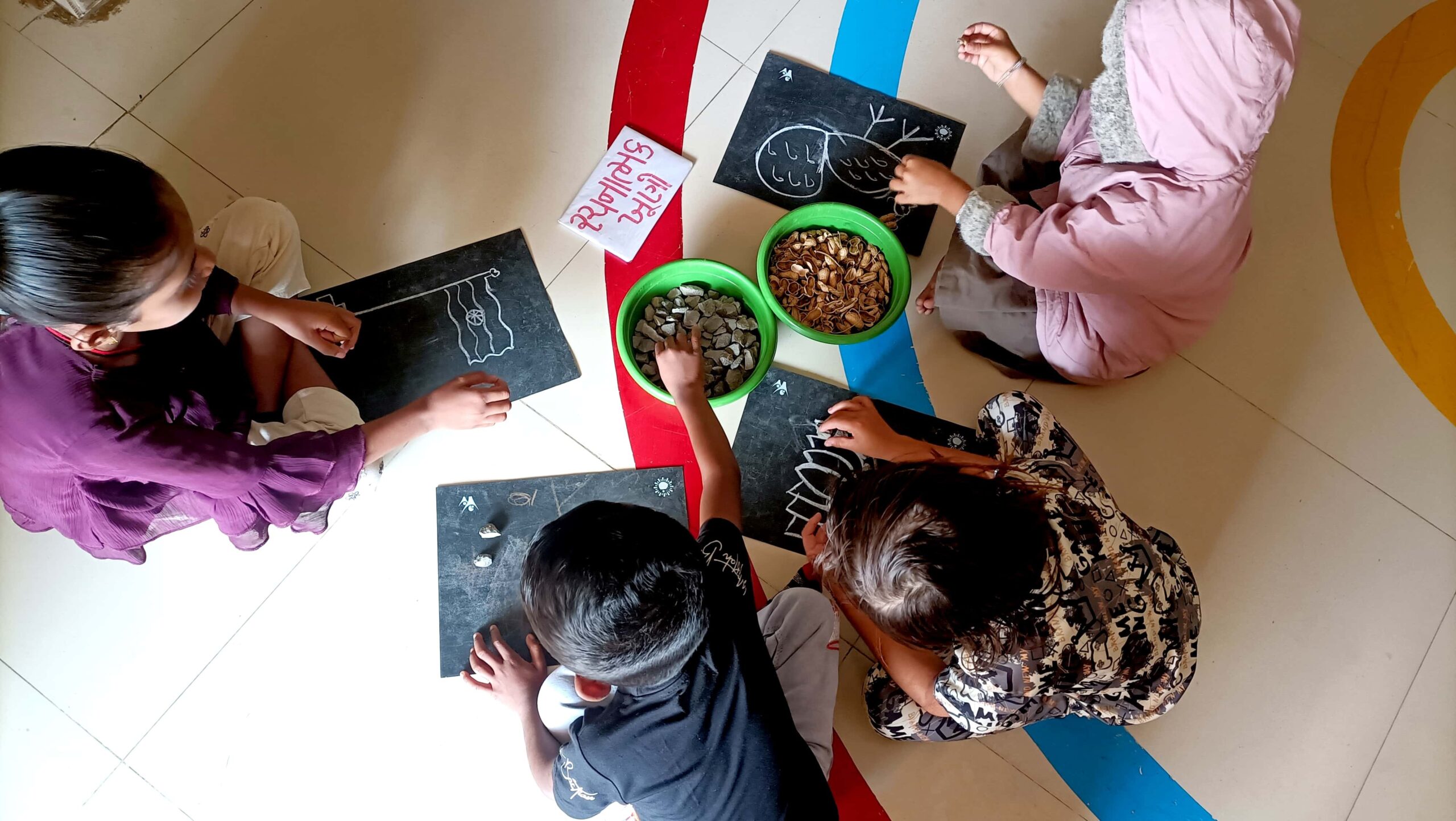
In the digital age, mobile phones are no longer limited to entertainment or communication alone; they have evolved into powerful tools for trust, transparency, and education. A living and inspiring example of this transformation can be seen in the anganwadis of Okha taluka in the Devbhumi Dwarka district. Here, digital technology is being used not merely as a symbol of modernity, but as a bridge to build strong trust between parents and anganwadi institutions.
In five villages of Okha taluka—Tupni, Narsang Tekri, Garbi Chowk, Baradia, and Jalaram—an innovative initiative has been launched by a non-governmental organization (NGO) named CSPC. Under this initiative, separate WhatsApp groups have been created for the parents of each anganwadi. Through these groups, photographs and videos of children’s educational and creative activities are shared with parents every morning.
A Shift in the Traditional Perception of Anganwadis
Traditionally, anganwadis in rural areas have often been perceived merely as centers for childcare or nutrition distribution. For many parents, an anganwadi was simply a place to drop off their children, as awareness regarding early childhood education and mental development often failed to reach them effectively.
However, the digital initiative introduced in Okha’s anganwadis has brought a significant change to this mindset. Parents are no longer just leaving their children at the center and remaining unaware of their progress. Through their mobile phones, they can now see daily what their children are learning, how they are playing, and how they are gradually developing.
Activities such as rhymes, poems, games, coloring, recognition exercises, speech practice, and group learning sessions are shared regularly via WhatsApp. As a result, parents’ interest and trust in anganwadis have increased substantially.
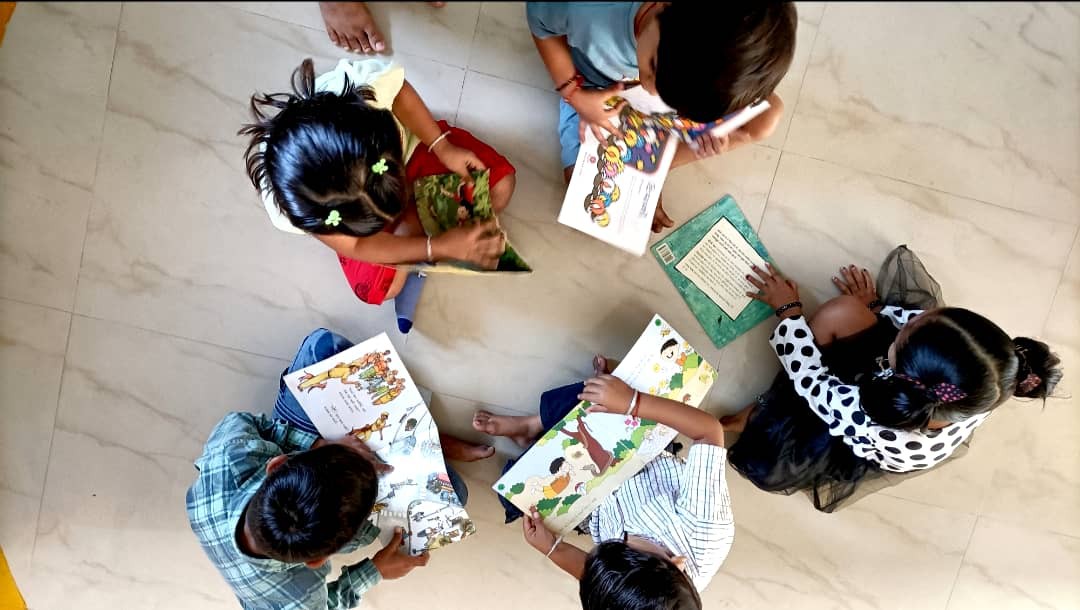
WhatsApp Groups as Bridges of Trust
The WhatsApp groups created by CSPC have gone beyond being simple information-sharing platforms; they have become strong bridges of trust between anganwadi workers and parents. Through these groups, workers regularly update parents on children’s attendance, daily activities, and special achievements.
Whether it is fathers working as farm laborers or mothers engaged in household work, parents are able to take a few moments during their busy schedules to view photos and videos of their children. Seeing their children smiling, singing with friends, and learning new skills brings visible satisfaction and pride to the parents.
“My Child Is Safe”: Growing Trust Among Parents
This initiative has significantly reduced one of the biggest concerns parents often carry: “Is my child safe?” Earlier, many parents had little clarity about what happened inside the anganwadi. Now, daily digital updates reassure them that their children are learning in a safe, positive, and nurturing environment.
A parent from Baradia village shared, “Even when we are at work, we can see videos of our child on our mobile phones. Nothing is hidden anymore. We have complete trust in the institution.”
Visible Improvements in Children’s Development
One of the most impactful outcomes of this digital transformation is the noticeable improvement in children’s overall development. Children now attend anganwadis with greater enthusiasm, knowing that their learning experiences are being shared with their parents.
The case of Kishan from Jalaram village is particularly noteworthy. Kishan previously struggled with speech and hesitated to speak clearly. However, regular language exercises, songs, and group activities at the anganwadi helped him improve significantly. When his parents watched videos of him speaking on WhatsApp, it was more than just a video—it was a message of hope and confidence.
Similarly, the parents of Soham from Baradia village proudly acknowledge their child’s progress. Soham can now recognize colors, sing songs, and interact with peers more confidently.
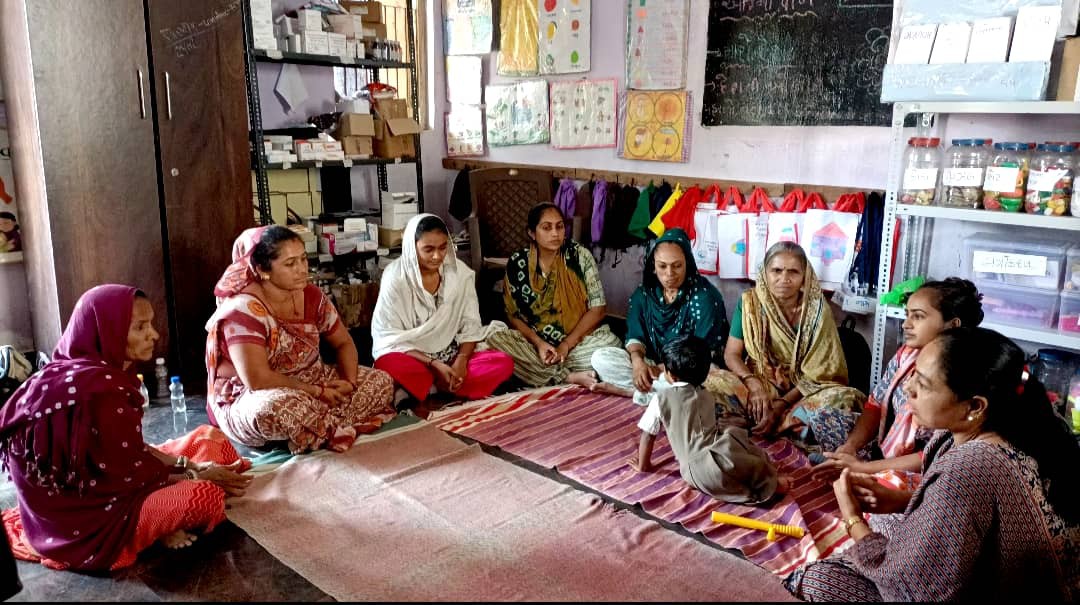
A Beneficial Initiative for Anganwadi Workers
The digital transformation has not only benefited children and parents but has also positively impacted anganwadi workers. Knowing that their work is directly visible to parents, workers now perform their duties with greater responsibility and motivation.
One anganwadi worker stated, “The appreciation and trust we receive from parents encourage us to do better every day. Our work is no longer just a duty—it has become a matter of pride.”
Constructive and Positive Use of Technology
Mobile phones and social media are often criticized for their negative effects on children, including excessive screen time and distraction. However, the anganwadis of Okha demonstrate a constructive and purposeful use of mobile technology. Here, mobile phones are not tools of distraction but instruments of transparency, accountability, and communication. This initiative proves that when used in the right direction, technology can become a powerful agent of social change.
A New Model of Development for Remote Villages
Villages in Okha taluka are often considered to be lagging behind in development. However, this digital initiative clearly demonstrates that meaningful change is possible even in remote areas through innovative thinking and the appropriate use of technology. This transformation goes beyond education—it strengthens social trust, increases parental involvement, and lays a stronger foundation for the children’s futures.
The digital transformation of anganwadis in Okha proves that development is not limited to infrastructure—it is a change in mindset. Mobile phones here are no longer tools of entertainment, but mediums of trust, transparency, and education.
The growing confidence of parents, the visible improvement in children’s development, and the increased accountability among workers together tell a powerful story of positive change. Through digital means, the future of children in remote villages now appears more secure, empowered, and promising.