
 By themediahives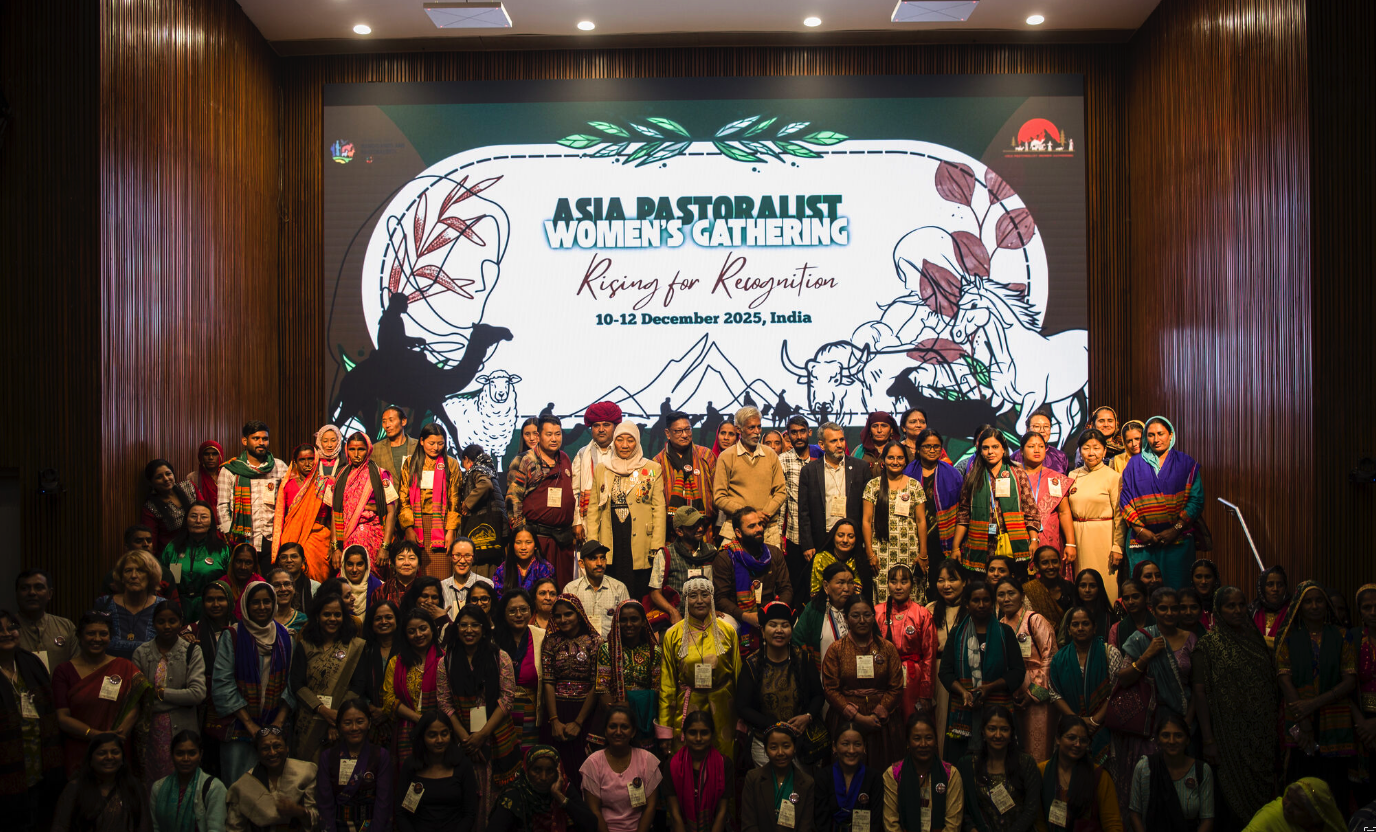
By – AAKANKSHA PARANJPE, MDC
Learning in the field of development is neither linear nor confined to classrooms. It unfolds through lived experiences, sustained engagement with people, and continuous interaction with complex social, cultural, and political realities. As a student of Masters in Development Communication (MDC) at Gujarat University, I have gradually come to understand that development communication is not merely an academic discipline grounded in theories and models, but a dynamic practice rooted in dialogue, participation, reflexivity, and ethical engagement. It requires learners to step into real-world spaces, listen to diverse voices, and critically reflect on how communication can contribute to social change.
Throughout my academic journey in MDC, various classroom discussions, field exposures, and organizational assignments have shaped my understanding of development processes. However, my assignment with MARAG (Maldhari Rural Action Group) NGO and my active involvement in the International Conference on Asian Pastoralist Women emerged as a defining moment of experiential learning. This experience allowed me to move beyond theoretical frameworks and engage directly with development practice at a regional and international level. It provided an opportunity to observe how communication functions as a tool for advocacy, collective mobilization, and knowledge exchange among marginalized communities.
The three-day international conference, held from 12th to 14th December, was organized in the larger context of 2026 being declared the International Year of Pastoralist Women. This global recognition created a significant platform to foreground the voices, experiences, and struggles of pastoralist women—who are often marginalized within mainstream development and policy discourse. The conference brought together pastoralist women, grassroots leaders, researchers, activists, and development practitioners from seven Asian countries—India, Nepal, Bhutan, Sri Lanka, Mongolia, Kyrgyzstan, and Bangladesh. The diversity of participants reflected the wide geographical, cultural, and ecological contexts in which pastoralist communities exist across Asia.
For me, this conference functioned as a living classroom where concepts of development communication were enacted in real time. Ideas such as participatory communication, intercultural dialogue, collective advocacy, and community-led development were not merely discussed but practiced through interactions, discussions, and collaborative processes. Witnessing women from different countries share their lived realities, traditions, challenges, and aspirations highlighted how communication becomes a bridge across languages, cultures, and borders.
This article reflects on my journey with MDC through the lens of this international conference, using it as a case study of experiential learning in development communication. It explores how participation in such a space enhanced my understanding of development communication beyond textbooks, strengthened my practical skills in event management and intercultural engagement, and deepened my commitment to contributing meaningfully to the development sector. Through this reflection, I aim to demonstrate how experiential learning plays a crucial role in shaping socially conscious and ethically grounded development communicators.
Bottom of Form
Development Communication and the Role of Experiential Learning
Development Communication is a multidisciplinary field that positions communication as a central force in processes of social change, empowerment, and collective action. Unlike conventional communication models that rely on one-way transmission of information, Development Communication emphasizes participation, dialogue, inclusion, and community ownership. It recognizes communities not as passive recipients of development interventions, but as active agents whose knowledge, experiences, and voices are essential to sustainable development.
The Masters in Development Communication (MDC) program at Gujarat University is firmly grounded in this philosophy. The curriculum is designed to move beyond theoretical understanding by encouraging students to critically engage with development realities through field exposure, organizational assignments, and reflective practice. This approach ensures that learning is not detached from social contexts but is continuously informed by lived experiences and ground realities.
Within this framework, experiential learning plays a crucial role. Experiential learning enables students to learn through direct engagement with communities, institutions, and development processes. It bridges the gap between theory and practice by allowing students to observe, participate, and reflect on real-world situations. Concepts such as participatory communication, advocacy, intercultural dialogue, and ethical representation become meaningful only when they are experienced in action rather than understood in abstraction.
My assignment with MARAG (Maldhari Rural Action Group) NGO exemplified the significance of experiential learning in Development Communication. Through this assignment, I was able to witness how communication functions simultaneously at grassroots, organizational, and international levels. MARAG’s work with pastoralist communities demonstrated how communication can support collective action, strengthen community voices, and connect local struggles with broader advocacy platforms.
This learning became especially evident during the International Conference on Asian Pastoralist Women, where development communication unfolded as a lived process. Communication was not limited to speeches or presentations; it was embedded in dialogue, cultural exchange, consensus-building, and collaboration among participants from diverse social and geographical backgrounds. Observing these processes helped me understand how experiential learning equips development communication students with critical skills such as listening, cultural sensitivity, facilitation, and reflexivity.
Thus, experiential learning within Development Communication is not merely a pedagogical method but a necessary practice. It prepares students to engage ethically and effectively with complex development contexts, enabling them to become reflective practitioners capable of contributing meaningfully to social change.
MARAG NGO and Its Development Approach
MARAG (Maldhari Rural Action Group) is a grassroots organization that works closely with pastoralist communities, particularly the Maldharis of Gujarat and other regions. The organization focuses on critical issues such as livelihood security, access to grazing land, mobility rights, gender equity, and social recognition of pastoralist communities. MARAG’s development approach is rooted in the understanding that pastoralism is not merely an occupation, but a way of life that is deeply connected to ecological sustainability, cultural identity, and traditional knowledge systems.
What distinguishes MARAG’s work is its strong emphasis on community participation and long-term engagement. Rather than implementing short-term interventions, MARAG works alongside pastoralist communities, supporting them in articulating their concerns, strengthening collective voices, and engaging with policy and advocacy processes. This participatory and rights-based approach makes MARAG an ideal learning space for a student of Development Communication, where communication is viewed as a tool for empowerment rather than information delivery.
Through my association with MARAG as part of the MDC program, I was introduced to the lived realities of pastoralist life and the structural challenges faced by these communities. Issues such as shrinking grazing lands, restrictive policies, climate change, and social marginalization emerged as recurring themes. MARAG’s emphasis on research, documentation, and advocacy highlighted how communication plays a crucial role in making these issues visible at local, national, and international levels.
The organization’s communication practices are grounded in ethical representation and inclusivity. Pastoralist communities are not portrayed as passive beneficiaries, but as knowledge holders and active participants in development processes. Observing this approach helped me understand the responsibility of development communicators to represent communities with dignity, accuracy, and sensitivity.
When MARAG organized the International Conference on Asian Pastoralist Women, it became a natural extension of its grassroots work. The conference connected local pastoralist realities with regional and global platforms, allowing women from different Asian countries to share experiences, challenges, and strategies. Being part of this initiative enabled me to observe how local knowledge can be amplified through international solidarity and how communication can build alliances across borders.
For me as an MDC student, MARAG’s development approach demonstrated how experiential learning operates within real development contexts. It showed how communication links grassroots action with global advocacy, reinforcing the idea that effective development communication emerges from sustained engagement, participatory processes, and collective action.
Context: Pastoralist Communities in India and Asia
India is home to nearly 46 pastoral communities, spread across all states and regions of the country—from Ladakh in the north to the Thar Desert in the west. These communities depend on livestock-based livelihoods and possess rich ecological knowledge. However, they often face marginalization due to shrinking grazing lands, restrictive policies, climate change, and lack of recognition.
Across Asia, pastoralist communities share similar challenges, though shaped by distinct ecological and political contexts. Women within these communities experience multiple layers of marginalization based on gender, livelihood, and mobility. Despite their central role in sustaining pastoral economies and cultural traditions, their voices remain underrepresented in policy and development discourse.
The declaration of 2026 as the International Year of Pastoralist Women provided an important global framework to highlight these issues. The conference aimed to create a shared platform for pastoralist women across Asia to exchange experiences, articulate demands, and build collective strategies.
Structure of the International Conference
The three-day conference was thoughtfully structured to balance academic discussion, experiential learning, and community engagement.
The first two days were held at Ahmedabad University, providing an institutional setting for presentations, panel discussions, and group dialogues. These sessions focused on themes such as gender and pastoralism, climate change, mobility, land rights, and leadership of pastoralist women.
The third day involved a visit to MERA village near Surendranagar, offering participants an opportunity to interact directly with a local pastoralist community. This shift from academic space to community space reinforced the importance of grounding development discourse in lived realities.
Each day of the conference was a full-day event, reflecting the depth and seriousness of engagement among participants.
Cross-Cultural Participation from Seven Asian Countries
One of the most powerful aspects of the conference was the diversity of participation. Delegates from seven Asian countries brought with them unique cultural identities, languages, and social contexts.
Participants from India represented various states, highlighting internal diversity within the country. Women from Nepal and Bhutan spoke about pastoralism in mountainous terrains, while delegates from Mongolia and Kyrgyzstan shared experiences of nomadic herding in harsh climatic conditions. Representatives from Sri Lanka and Bangladesh discussed challenges related to land scarcity and environmental degradation.
Despite these differences, common themes emerged—struggles for land rights, impacts of climate change, limited access to resources, and the need for recognition of pastoralist women’s contributions. This convergence of experiences underscored the transnational nature of pastoralist issues.
Intercultural Communication and Learning
The conference served as a space of rich intercultural exchange. Differences in language, customs, attire, and modes of expression required sensitivity and adaptability from all participants. For me as a development communication student, this was an important lesson in intercultural communication.
I observed how facilitators ensured inclusivity by creating participatory spaces where all voices could be heard. Translation, dialogue-based sessions, and informal interactions helped bridge communication gaps. This reinforced my understanding that effective development communication must prioritize respect, empathy, and mutual learning.
MERA Declaration 2.0: Collective Advocacy in Practice
A central objective of the conference was the formulation and reaffirmation of MERA Declaration 2.0. This declaration represents a collective vision for the rights, recognition, and empowerment of pastoralist women.
The process of working towards the declaration demonstrated how communication supports consensus-building and collective advocacy. Discussions were inclusive, allowing space for diverse perspectives. Observing this process helped me understand how international declarations are shaped through dialogue, negotiation, and shared commitment rather than imposed decisions.
MERA Declaration 2.0 stands as an example of how development communication can translate lived experiences into structured advocacy documents.
Field Visit to MERA Village: Learning from the Ground
The third day’s visit to MERA village near Surendranagar added a vital experiential dimension to the conference. It allowed international participants to engage with local pastoralist women and witness their everyday realities.
For me, this visit highlighted the importance of grounding development communication in community contexts. It reinforced the idea that communities are not passive recipients of development but active holders of knowledge and agency.
Experiential Learning: Evidence and Academic Validation
Experiential learning is not only valuable in practice but is also strongly supported by academic research. A landmark 2019 meta-analysis reviewing 89 empirical studies over 43 years found that experiential pedagogies produced a moderate-to-large effect size of Cohen’s d = 0.43, indicating significantly higher learning outcomes compared to traditional instruction.
A mathematics-focused meta-analysis of 14 studies reported a mean effect size of 1.107, further validating the effectiveness of hands-on and project-based learning approaches.
| Study Context | Sample Size | Key Statistic | Effect Interpretation |
| Geometry (6th Grade) | 80 students | Post-test: 19.05 (experiential) vs. 17.7 (traditional); p < 0.05 | High achievers benefited most |
| Science (9th Grade) | 60 students | Achievement boost; p < 0.01 | Improved comprehension and retention |
| Inner-city Literacy | Varied | Perceived learning M = 39.32; Self-efficacy M = 65.97 | Strong motivation gains |
These findings resonate strongly with my experience at the conference, where learning emerged through participation, observation, and reflection.
Skills Gained through the Conference Experience
One of my key learnings from the conference was event management in a development context. Managing a large international event required coordination, time management, teamwork, and adaptability.
I learned how communication plays a critical role in organizing sessions, managing participants from different countries, and addressing logistical challenges. Exposure to documentation and reporting processes also strengthened.
Conclusion
My journey with the Masters in Development Communication (MDC) at Gujarat University, culminating in my involvement with MARAG NGO and the International Conference on Asian Pastoralist Women, stands as a powerful example of how experiential learning shapes meaningful academic and professional growth. This experience reaffirmed that development communication is not merely about transmitting information, but about facilitating dialogue, building solidarities, and enabling collective voices to be heard—especially those that are historically marginalized.
The conference functioned as a living laboratory where theories of participatory communication, intercultural engagement, advocacy, and ethical representation unfolded in real time. Engaging with pastoralist women and representatives from seven Asian countries allowed me to witness how communication becomes a bridge across cultural, linguistic, and geographical boundaries. It demonstrated that shared struggles—around land rights, climate change, mobility, and gender equity—can form the basis for transnational solidarity when supported by inclusive and respectful communication practices.
From an experiential learning perspective, the conference validated the pedagogical emphasis of the MDC program. The integration of classroom learning with field-based exposure enabled me to develop practical skills such as event management, coordination, facilitation, documentation, and intercultural sensitivity. These competencies are difficult to cultivate through theoretical instruction alone, yet they are essential for effective work in the development sector. The academic evidence supporting experiential learning resonated deeply with my own learning process, reinforcing the value of hands-on engagement in achieving deeper understanding and retention.
The formulation of MERA Declaration 2.0 further illustrated how development communication translates lived experiences into structured advocacy. Observing this collective process highlighted the importance of dialogue, negotiation, and inclusivity in shaping policy-oriented outcomes. Similarly, the field visit to MERA village emphasized the necessity of grounding development discourse in community realities, reminding me that communities are active agents of change rather than passive recipients of interventions.
In conclusion, this experience profoundly shaped my understanding of development communication as a practice rooted in empathy, participation, and ethical responsibility. It strengthened my commitment to pursuing work that centers community voices and fosters inclusive development processes. As a student and emerging practitioner, the International Conference on Asian Pastoralist Women reaffirmed that experiential learning is not an add-on to development education, but its very foundation—one that prepares students to engage thoughtfully, responsibly, and effectively with the complexities of real-world development challenges.