
 By themediahives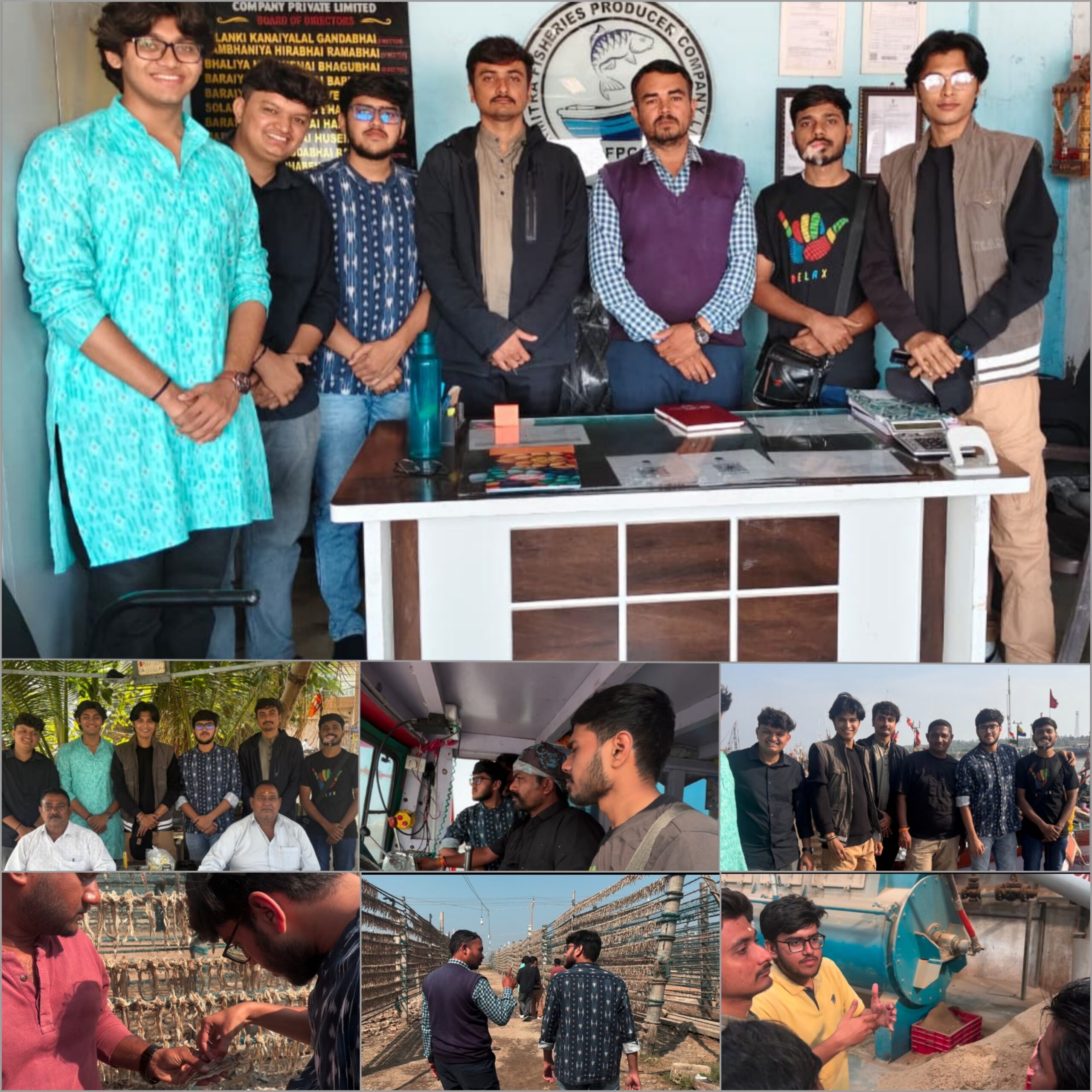
Learning Media, Technology, and Society through Academics, ICT Workshops, and a Rural Internship Experience
Introduction
The Master of Mass Communication and Journalism (MMCJ) program at Gujarat University is designed not only to educate students in media theory but also to develop socially responsible, skilled, and technologically competent media professionals. My two-year journey in this course has been a combination of academic learning, practical exposure, fieldwork, and life-changing experiences. From understanding the fundamentals of journalism and communication to applying digital tools through ICT workshops, and finally engaging with grassroots realities during the rural internship, this journey has shaped both my professional outlook and personal values.
This article reflects my academic and experiential learning across four semesters, highlighting key subjects, workshops, and my most memorable experience the rural internship with the fishermen community of Jafarabad.
_________________________________________________________________________________________________________
Building the Foundation of Media Understanding
The first semester laid a strong foundation in mass communication and journalism. Subjects such as Introduction to Mass Communication, Print Journalism, Indian Society and Media, and Communication Theories helped me understand how media functions within society and influences public opinion.
I learned the importance of ethical journalism, responsible reporting, and the role of media in democracy. News writing formats, reporting techniques, and understanding audiences were essential skills introduced during this phase. This semester helped transform me from a passive media consumer into an analytical media learner.
_________________________________________________________________________________________________________
Developing Professional Media Skills
The second semester focused on skill-oriented learning and professional development. Courses such as Electronic Media, Advertising, Public Relations, and Media Research strengthened my practical abilities. I gained exposure to scriptwriting, anchoring, camera handling, and news bulletin production.
Media research training introduced me to research methodologies, questionnaire design, sampling techniques, and data interpretation. These skills later proved extremely useful during my rural internship. Advertising and public relations subjects helped me understand branding, campaign planning, and strategic communication practices.
Digital Media and Specialized Learning
The third semester focused on internships, workshops, and project work, allowing us to apply classroom learning to real-life situations. The most impactful experience of my entire MMCJ journey was the rural internship.
Rural Internship: A Lifetime Best Learning Experience
My rural internship with the fishermen community of Jafarabad was not just an academic requirement it was a deeply transformative experience. Living and interacting with the community helped me understand ground realities beyond textbooks and news headlines.
During the internship, our group studied:
- Socio-economic conditions of fishermen
- Education, health, and livelihood challenges
- Impact of government policies and schemes
- Environmental issues affecting fishing activities
- Role of NGOs and community organizations
We conducted surveys, interviews, and group discussions, applying media research techniques learned in earlier semesters. Communicating with people from diverse backgrounds improved my interpersonal skills, empathy, and cultural understanding.
This internship taught me that journalism is not only about reporting events but also about giving voice to marginalized communities. Witnessing their struggles and resilience strengthened my sense of social responsibility as a future media professional.
Key Learnings from the Internship
- Practical application of research methodology
- Ground-level reporting and documentation
- Ethical reporting and responsible storytelling
- Understanding development communication
- Teamwork, leadership, and problem-solving
The rural internship helped me realize the true power of communication in social change. It remains the most memorable and meaningful experience of my MMCJ journey.
_________________________________________________________________________________________________
Experiential Learning and Field Exposure
The third semester marked a transition into advanced and specialized areas such as New Media, Development Communication, Media Laws and Ethics, and Specialized Reporting. These subjects deepened my awareness of media’s role in development, governance, and social change.
Digital journalism and social media studies helped me understand online content creation, digital storytelling, and the impact of technology on news dissemination. I also learned about copyright laws, media regulations, and ethical challenges faced by journalists in the digital age.
ICT Workshops: Learning Media Through Technology
One of the most important components of the MMCJ course in Semester 4 was the ICT (Information and Communication Technology) workshop. These workshops bridged the gap between theory and practice by introducing us to digital tools essential for modern media professionals.
Through ICT workshops, I learned:
- Digital content creation and editing
- Use of presentation tools and media software
- Online research techniques and data verification
- Social media platforms for journalism and communication
- Documentation and reporting using digital formats
These workshops enhanced my confidence in using technology for storytelling, reporting, and academic work. ICT training made me adaptable to the evolving digital media environment and prepared me for professional challenges in newsrooms and media organizations.
_________________________________________________________________________________________________________
Overall Personal and Professional Growth
Over two years, the MMCJ program transformed my communication skills, critical thinking abilities, and professional confidence. The blend of theory, ICT workshops, practical assignments, and fieldwork prepared me for diverse career opportunities in journalism, digital media, research, and communication.
I learned to think analytically, write responsibly, use technology effectively, and approach media with ethics and sensitivity. Most importantly, I learned that media education is not only about career growth but also about contributing positively to society.
_________________________________________________________________________________________________________
Conclusion
The Master of Mass Communication and Journalism at Gujarat University has been a journey of learning, exploration, and transformation. From classrooms to communities, from theory to technology, and from observation to participation, this course has shaped my identity as a responsible communicator. The ICT workshops enhanced my digital competence, while the rural internship provided a lifelong lesson in humanity, journalism, and social awareness.
This two-year journey will remain a strong foundation for my future in the media and communication field.
Article by Aditya Bhavsar (MMCJ-04)
Department of Communication and journalism