
 By themediahives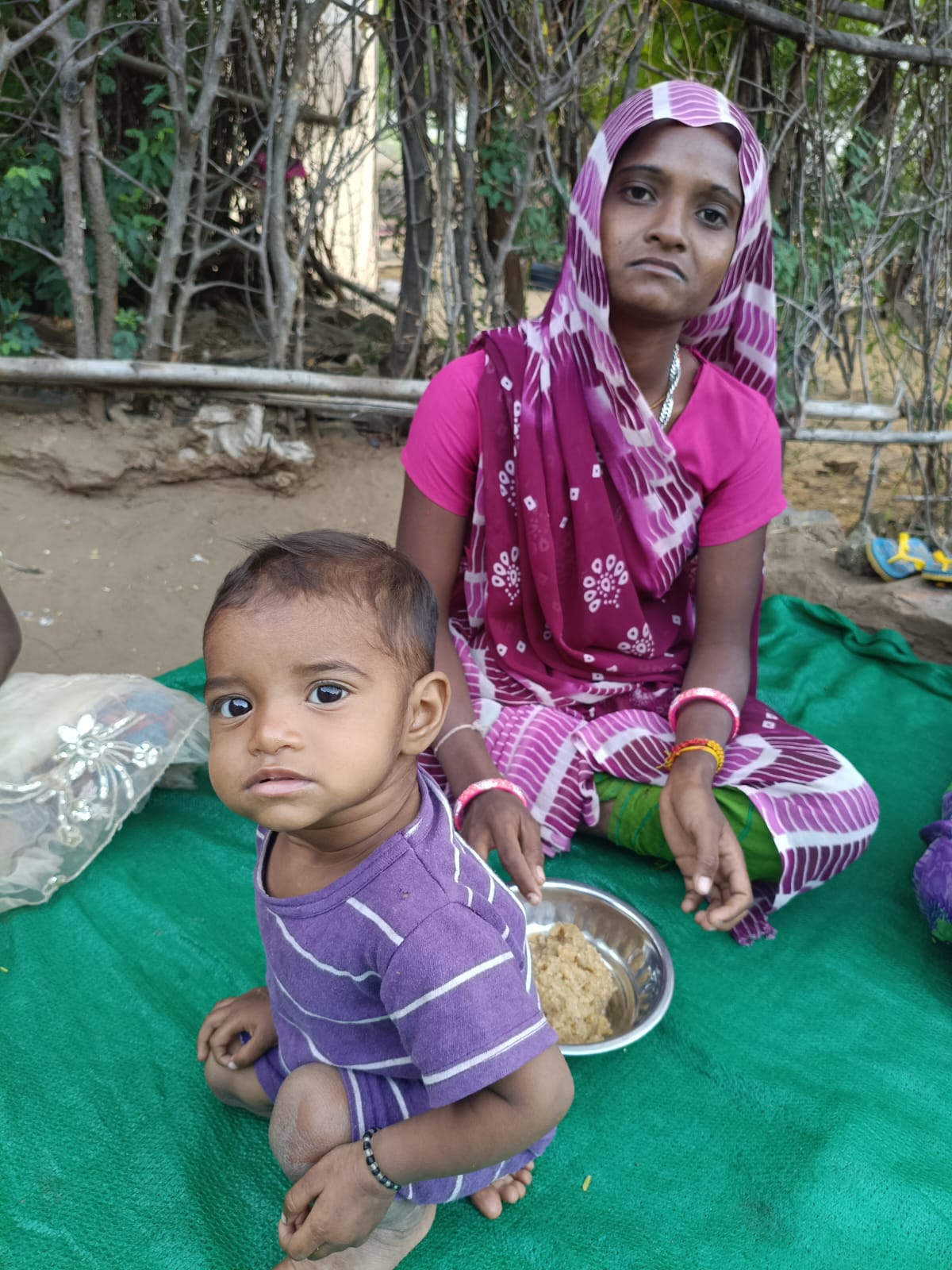
By Hina Panchal student of Communication & Journalism, Gujarat University
From the bustling streets of Ahmedabad to the quiet corners of my childhood home, stories have always shaped my understanding of the world. Growing up in a middle-class family in Gujarat, I was surrounded by narratives—my grandfather’s memories of India’s freedom struggle, my mother’s folk songs on the radio, and the nightly Doordarshan news that documented a nation in transition. These stories were not mere sources of entertainment; they were windows into social realities, inequalities, and human resilience. Long before I understood the mechanics of journalism, I understood its power.
This early exposure eventually guided me to the Department of Communication & Journalism at Gujarat University, where my fascination with storytelling transformed into a purpose-driven journey. As a student of journalism, I learned that reporting is not just about facts and figures—it is about context, responsibility, and giving voice to those who are often unheard. One issue, in particular, sharpened my commitment to advocacy journalism: child marriage in Gujarat.
An Issue That Refuses to Disappear
Despite legal prohibitions and visible progress over the years, child marriage continues to persist in Gujarat. Reporting, researching, and analyzing this issue during my academic journey revealed a troubling reality—deeply rooted social practices cannot be dismantled by laws alone. They require sustained awareness, community engagement, and, most importantly, storytelling that challenges silence and compels action.
According to the National Family Health Survey (NFHS-5, 2019–21), 21.8% of women aged 20–24 in Gujarat were married before the age of 18, slightly lower than the national average of 23.3%. While this marks a marginal improvement from NFHS-4 (2015–16), these numbers conceal sharp district-level disparities that demand closer attention.
Districts such as Kheda, where nearly 49.2% of women in the same age group were married as minors, reveal how uneven progress remains. Other districts—including Banaskantha, Patan, Panchmahals, Gandhinagar, Mahesana, Mahisagar, and Dang—report prevalence rates exceeding 30%, with the burden falling largely on rural and tribal regions. These figures underline a harsh truth: statewide averages often mask localized crises.
Law vs. Lived Reality
India’s Prohibition of Child Marriage Act (PCMA), 2006, defines child marriage as a union where the female is under 18 and the male under 21. The law prescribes rigorous imprisonment of up to two years, fines up to ₹1 lakh, or both for adult males marrying minors, as well as for those who promote, permit, or solemnize such marriages. Offences under the Act are cognizable and non-bailable, and Child Marriage Prohibition Officers are mandated to prevent and report violations.
Yet, between 2017 and 2021, Gujarat recorded only 61 registered cases under the PCMA. While the number of cases declined after a peak in 2019, experts and activists widely acknowledge that underreporting remains a serious challenge. Social acceptance of early marriage, fear of community backlash, and economic dependency often prevent families from approaching authorities. During my coursework in Development Communication, this gap between law and lived reality emerged repeatedly—laws may exist on paper, but social norms often overpower them on the ground.
Why Child Marriage Persists
The persistence of child marriage in Gujarat is driven by a complex interplay of poverty, low educational attainment, patriarchal traditions, and concerns over “family honour.” NFHS data shows that 74.5% of child marriage cases occur in rural areas, where access to education, healthcare, digital connectivity, and legal awareness remains limited.
The consequences are devastating. Early marriage frequently leads to school dropouts, with school attendance among girls aged 15–17 standing at just 44%, compared to 57% for boys. Health risks such as early and repeated pregnancies, maternal mortality, anemia, and domestic violence further entrench cycles of poverty and gender inequality. These impacts are not abstract statistics—they represent real lives and lost potential.
A Ground-Level Reality: My Field Observation
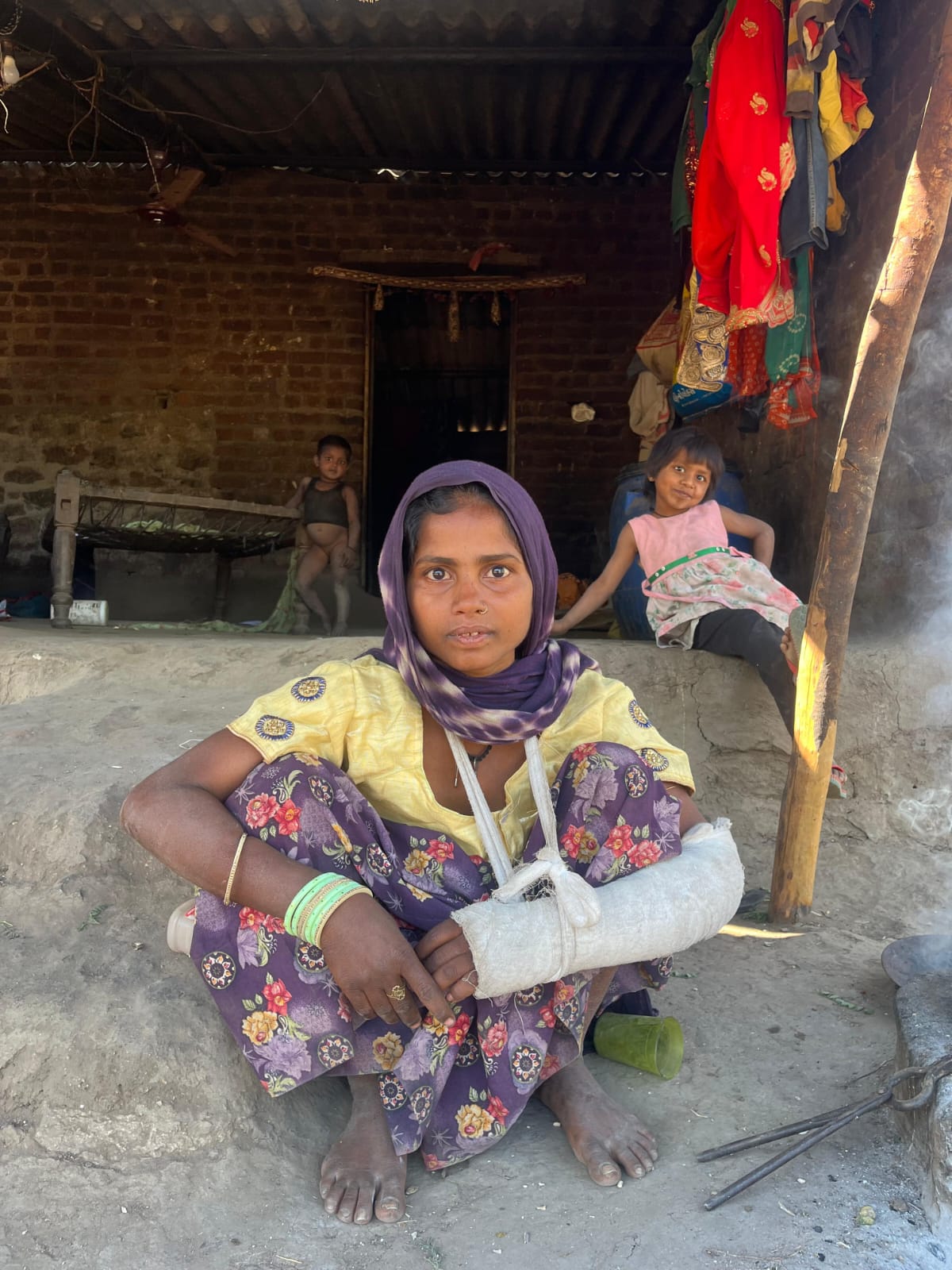
This reality became painfully clear to me during an NGO internship in Danta taluka of Gujarat, which I undertook along with my classmates. I was assigned to Moti Tundiya village to conduct a survey on malnourished children. What I witnessed there went beyond data sheets and questionnaires.
Most of the malnourished children we surveyed were born to mothers below the age of 18. These women had been married off at a very young age and had become mothers before their bodies were physically or mentally prepared. As a result, many children were born undernourished, while the mothers themselves appeared far older than their actual age. Their health had deteriorated rapidly, marked by anemia, fatigue, and untreated complications. In these households, child marriage was not just a cultural practice—it was a direct contributor to intergenerational malnutrition and declining maternal and child health.
That field experience reinforced what statistics often fail to convey: child marriage does not end with a wedding—it begins a cycle of lifelong disadvantage.
Government and Civil Society Interventions
To address the issue, the Gujarat government has launched several initiatives, most notably the Vahli Dikri Yojana, which provides ₹1.1 lakh in financial assistance to eligible families to encourage girls’ education and delay marriage. The scheme links financial incentives to educational milestones and is conditional on the girl remaining unmarried until the age of 18.
Civil society organizations have also played a crucial role. Campaigns such as Don Bosco’s 100-day drive (2025–26) across districts like Anand, Vadodara, and Chhota Udepur have secured over 300 parental pledges against child marriage. Panchayat-level declarations of child-marriage-free zones, awareness drives, and advisories to wedding facilitators indicate a growing recognition that prevention must be community-driven, not imposed.
The Role of Journalism in Driving Change
As a student of journalism, I have come to believe that ethical storytelling is one of the most powerful tools for social transformation. Journalism can amplify marginalized voices, challenge harmful traditions, and hold institutions accountable. But it must do so with sensitivity, accuracy, and empathy.
Child marriage is not merely a legal issue—it is a human rights concern that affects education, health, gender equality, and economic development. Gujarat may fare slightly better than the national average, but districts like Kheda and villages like Moti Tundiya remind us that progress is fragile and uneven.
A Call for Collective Responsibility
Ending child marriage requires more than policies and schemes. It demands collective responsibility—from families who choose education over early marriage, from communities that challenge regressive norms, from institutions that enforce the law, and from media professionals who tell these stories with honesty and courage.
As I continue my journey in journalism, I aspire to use media as a bridge between policy and people, between silence and truth. Child marriage steals childhoods, weakens futures, and silences voices—but storytelling can reclaim them.
The fight against child marriage is not just about changing laws; it is about changing mindsets. And every story told with integrity brings us one step closer to a more informed, equitable, and compassionate society.